If you’ve ever stood in a kitchen showroom, running your hand over the sleek, flush surface of a built-in gas hob, or flipped through catalogs wondering if it’s worth ditching your old electric range, you’ve probably asked the big question: Can I actually connect this thing to my home’s natural gas line? As a built-in gas hob supplier, I get this question every single day—from homeowners staring at blueprints for their dream kitchens, plumbers cross-referencing code manuals at 9 PM, and even new home builders trying to stay on budget. It’s not a trivial ask; get the connection wrong, and you’re looking at safety risks, inefficient cooking, or a hob that stops working after a week. So let’s break this down, straight from someone who’s been selling and supporting these appliances for 12 years. Built-in Gas Hob
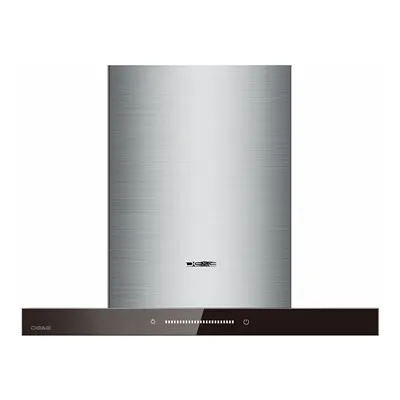
First, let’s cut through the confusion right off the bat: Yes, a built-in gas hob absolutely can be connected to a natural gas line—but only if two core checks are passed. First, the hob itself is designed for natural gas (not liquid propane, which is a whole separate conversation), and second, your home’s existing gas infrastructure is sized correctly to handle it. I can’t tell you how many times a customer will order a gorgeous stainless steel built-in hob from us, skip the pre-installation check, and then call panicking because their regular oven’s flame shrinks to a flicker every time they turn on the new hob’s front burners. That’s not a flaw in the hob—that’s a size mismatch in the line.
Let’s start with the appliance side, because that’s the part we (as suppliers) control. Every built-in gas hob we sell has a specific rating plate, usually tucked under one of the burner grates or on the rear edge of the unit. That plate lists two critical details: the type of gas it’s certified for (it will explicitly say “Natural Gas” or “NG” for short) and its total BTU (British Thermal Unit) input. BTUs are just a measure of how much heat the appliance uses per hour. For built-in hobs, standard residential models run between 20,000 BTUs (small, two-burner units for apartments) and 65,000 BTUs (large, five-burner commercial-style units for home chefs). If a hob isn’t labeled for natural gas, it’s made for propane, the compressed gas used in tanks for off-grid homes and RVs, and you cannot convert it to natural gas on your own. While some models have interchangeable orifices that let you switch between gas types, that requires a certified technician and often a factory service kit—something we only recommend for backup, not a primary installation. We always verify the gas type with every order we process, just to catch mix-ups early; last year, we had three customers order hobs marked natural gas but accidentally select a propane conversion kit by mistake, so we caught it before delivery and saved them a lot of hassle.
Now the bigger, less obvious part: your home’s natural gas line capacity. This is where most mistakes happen, and it’s not something you can guess. A standard residential natural gas line is sized based on two factors: its diameter (usually ½-inch or ¾-inch for most kitchen lines) and the total BTU load of all appliances connected to it. If your home already has a gas furnace, a water heater, and a dryer all running on the same ½-inch line, adding a 50,000 BTU built-in hob is going to stretch that line too thin. The result? Low gas pressure, which makes burners burn yellow instead of blue (yellow flames mean incomplete combustion and carbon monoxide buildup), uneven heating, or even appliances shutting off randomly. That’s not a design flaw in the hob—it’s a line that wasn’t sized for the extra load.
How do you check this? You need a qualified HVAC technician or gas fitter to do a simple load calculation. The calculation takes every gas appliance’s BTU rating, adds them up, and compares that to your line’s maximum allowable BTU load. For example, a ½-inch residential gas line can generally handle up to 100,000 BTUs of total load, but only if it’s less than 50 feet from the main gas line at the street. If the line is longer than that, the capacity drops. A ¾-inch line can handle up to 190,000 BTUs for lines under 50 feet, which is enough for most homes with a built-in hob, a furnace, and a water heater. We always advise customers to book this check before their hob is delivered, too—there’s nothing worse than a brand-new hob sitting in your garage because your line needs to be upgraded, which can add $500 to $1,500 to your project cost.
Once you’ve confirmed the hob is natural gas and the line is sized correctly, the next step is the actual connection—and this is non-negotiable: it has to be done by a licensed, certified professional. I’ve seen some DIY tutorials online that make gas connections look simple, but natural gas is odorless (the “rotten egg” smell is added as a safety alert) and leaks can cause explosions, fires, or carbon monoxide poisoning. As a supplier, we void the warranty on every built-in gas hob we sell if the installation isn’t done by a certified technician. That’s not us being strict—it’s protecting our customers. A certified fitter will use the right materials for gas lines, which are usually flexible stainless steel corrugated tubing or black iron pipe (never regular copper pipe, which isn’t rated for natural gas pressure). They’ll also install a gas shutoff valve directly under or near the hob for safety, so you can turn off the gas to the appliance quickly if there’s an issue. They’ll also pressure test the line after installation to make sure there are no leaks—something a DIYer almost never does properly.
Wait, but what about existing electrical connections? Built-in gas hobs are different from electric hobs, right? Most residential models only need a 120V electrical supply for the ignition system and any smart features (like flame failure sensors or Wi-Fi connectivity), not a dedicated 240V line. That’s a bonus for most kitchens, since you don’t have to run a new heavy-duty electrical circuit. But you still need a grounded outlet near the hob, and the fitter will usually install that during the process. Some compact built-in hobs even have battery-powered ignitions, so they don’t need any electrical connection at all—perfect for small apartment kitchens where pulling power might be a hassle. We offer a range of both hardwired and battery-ignition built-in gas hobs, so we can match whatever your kitchen’s infrastructure can handle.
I get that a lot of homeowners are worried about the transition from electric, especially if they’ve had bad experiences with old gas appliances. The good news is that modern built-in gas hobs are way more efficient than the models from 10 or 15 years ago. Because they’re flush-mounted into the countertop, they have better airflow around the burners, which means less wasted heat. Our top-selling model, for example, has a 30,000 BTU high-output burner that boils a gallon of water in about four minutes, compared to eight minutes for a standard electric burner. And with the built-in safety features—flame failure sensors that automatically cut off the gas if the flame goes out, and overheat protection—they’re actually safer than many older gas hobs. We’ve had customers switch from electric and save up to 30% on their annual gas bills, too, which is a huge win for long-term cost.
But let’s be honest, there are a few scenarios where connecting a built-in gas hob to natural gas isn’t possible, and it’s important to be honest about those. First, if your home doesn’t have a natural gas line at all—if you’re on electricity only or using propane tanks—you’ll either need to convert the hob to propane (if it’s compatible) or stick with an electric model. Second, if your line is too small and you can’t upgrade it (like if you live in a historic home where modifying the gas line is not allowed), you’ll need to adjust your appliance choice to have a lower total BTU load. We sell compact built-in hobs with total BTUs under 30,000, which can work with even smaller lines, so there’s always a solution. The last scenario is if you live in an apartment building with strict HOA or building code rules that ban gas appliances. That’s less common these days, but some older buildings have regulations in place—so always check with your property manager before ordering.
As a built-in gas hob supplier, my job isn’t just to sell you a product—it’s to make sure it works safely and correctly for your home. I’ve heard too many horror stories over the years: a customer who skipped the line check and had their new hob cause a carbon monoxide alarm to go off, a DIY installer who had a small leak that took weeks to notice, a builder who ordered the wrong gas type and had to return 12 hobs at the last minute. All of these are avoidable with a little bit of planning before you buy.
So, to circle back to the original question: Yes, a built-in gas hob can absolutely be connected to a natural gas line. But the key steps are: Confirm your hob is certified for natural gas, have a certified tech check your line’s capacity before installation, hire a licensed professional to do the connection and testing, and make sure you understand your home’s specific infrastructure and local codes. If you’re in the market for a built-in gas hob and have questions about your kitchen’s setup, or if you’re ready to order for your home, we’re here to help. We offer free pre-purchase consultations to help you figure out the right model for your line size, gas type, and cooking needs, and we work with certified installers in most areas to make the process as smooth as possible.

Don’t take chances with gas appliances—safety comes first, but that doesn’t mean you have to skip the benefits of a built-in gas hob. If you’re ready to upgrade your kitchen or have more questions about installation, reach out to our team to discuss your project. We’ll walk you through every step, from picking the right hob to coordinating installation, so you can get cooking on your new appliance without any headaches.
Gas On Glass Hob References
American National Standards Institute. (2020). ANSI Z21.56: Gas Cooking Appliances. American Gas Association.
International Association of Plumbing and Mechanical Officials. (2021). Uniform Mechanical Code, Chapter 10: Gas Piping.
U.S. Department of Energy. (2022). Energy Efficiency Guide for Residential Gas Appliances.
Hangzhou DE&E Smart Home Co., Ltd.
As one of the most experienced built-in gas hob manufacturers and suppliers in China, we offer a wide range of products with superior quality. Please feel free to wholesale cheap built-in gas hob from our factory. Contact us for more details.
Address: No. 98 Hongxing Road, Xiaoshan District, Hangzhou City, Zhejiang Province 311231, China
E-mail: sabrina.liao@chinadee.com
WebSite: https://www.deeappliances.com/
