What’s the big deal about Android POS expandability? As someone who’s been in the Android POS game for almost a decade—seeing little mom-and-pop bodegas, food trucks, and even boutique gyms come to us when their old POS can’t keep up—I can tell you this: expandability isn’t just a “nice-to-have” feature. It’s the whole reason a POS system doesn’t end up in a landfill a year after you buy it. Let me break this down like I’m chatting with a barista who just spent 20 minutes fumbling with a clunky, outdated cash register that crashes every time someone uses a credit card. Android POS System
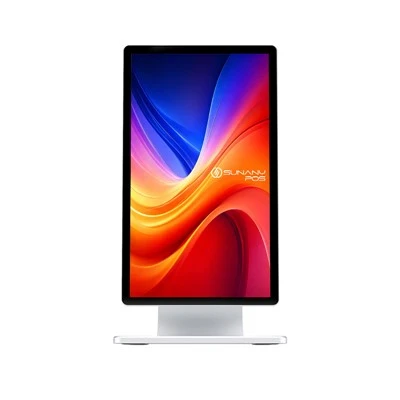
First off, let’s get real: what does “expandability” even mean for a POS system, anyway? For most vendors, it’s just jargon. For us, it’s the ability to tweak, add, or swap out parts of your POS without making you start over from scratch. Like, if you’re a small coffee shop right now, but in 6 months you want to add online pre-orders and a loyalty program—you shouldn’t have to buy an entirely new system. That’s the nightmare we built our business to avoid.
Let’s start with the hardware side, because that’s the stuff you touch every day. A lot of cheap Android POS systems out there are locked down—you can’t swap the barcode scanner if it breaks, or add a receipt printer that’s faster. But our systems? They’re basically just Android tablets with swappable peripherals. Need a bigger, more durable customer display for a busy food court? Plug it in. Your old customer receipt printer stopped working mid-rush? Grab a compatible one from Amazon or our store, no custom parts needed. Even the processor—wait, no, not swap the tablet, but we design our base units to handle upgrades. Last year, a client who runs a growing pizza truck came to us: they started with a 10-inch tablet that worked for a few tables, but once they got a contract to cater office lunches, they needed a 15-inch touchscreen for the counter. We didn’t charge them to rebuild the whole system—just sent a small adapter that fit their existing hardware, and bam, they had the bigger screen. That’s the kind of expandability that actually matters, not fluff.
Then there’s software expandability, which is where most people cut corners. A POS system is only as good as the apps you can hook up to it. Like, if you use QuickBooks for your books, you shouldn’t have to manually enter every sale at the end of the day. Our Android POS integrates with 100+ common business apps—accounting, inventory, even delivery services like Uber Eats or DoorDash. Let’s use a recent example: a boutique clothing store client. They started using our POS just for in-store sales, but once they launched an Instagram shop, they needed to sync online orders to their inventory so they didn’t oversell. We had them connect their Shopify account in 2 clicks, no coding, no extra fee. Another one: a dog groomer. They wanted to add a booking feature for appointments and automatic reminders for customers. We connected their Google Calendar and a free reminder app, and now they don’t double-book anymore. Here’s the kicker—we don’t lock you into our own software. If you prefer a different inventory tool, you can switch. Too many POS vendors force you to use their own apps, which means you’re stuck paying for features you don’t need. We call that “vendor lock-in garbage” and we never do it.
Wait, let’s talk about when expandability gets tested. That’s when your business grows, right? A lot of small businesses get a POS that works when they have 2 employees and 100 sales a day, but once they hire 5 more staff and start doing pop-ups on weekends, it crashes. Our Android POS is built on the same Android code you use on your phone, so it’s flexible enough to scale. A food truck client of ours—they started with 1 POS unit at their regular spot on weekends, then started doing festivals. Festivals mean mobile sales, lots of them. We just added a second POS unit, synced it to their existing system, and now they can process orders at two different spots during a festival, all while tracking total sales and inventory in real time. No extra training, no downtime. That’s the kind of growth that doesn’t stress you out.
But here’s the part people don’t talk about: expandability also means being able to adapt to new payment methods. Last year, Buy Now Pay Later (BNPL) blew up—Klarna, Afterpay, all that stuff. A lot of older POS systems couldn’t process BNPL payments, so those businesses lost sales. Our Android POS? We update the payment processing module over the air, no hardware swap, no new system needed. Last quarter, when contactless debit cards became more common (remember when everyone was scared of tapping?), we pushed an update that made our scanners compatible with all new contactless cards. We didn’t make our clients buy new equipment—we just fixed it, remotely. That’s expandability that’s reactive to what your customers want, not just what the vendor thinks you need.
Now, I know what some of you are thinking: “This all sounds great, but is it secure?” Oh, great question—because expandability can’t mean risking your customer’s data. A lot of cheap POS systems let you add random peripherals, which can open up security holes. Our systems are PCI-compliant, so every time you add a new app or peripheral, it’s vetted. No sketchy Bluetooth scanners that steal credit card info. We also do remote security updates, so even if a new fraud vulnerability pops up, we fix it before it becomes a problem. Last year, a client tried to connect a random inventory app they found online—our system flagged it as unvetted, blocked it, and suggested 3 secure alternatives. That’s not rigidness—that’s responsible expandability.
Let’s get real about the mistakes we see with non-expandable POS. A local café in our area bought a cheap POS 3 years ago. They added online ordering, but had to pay $1,500 to upgrade their entire system because the old one couldn’t handle it. Then they tried to add a loyalty program, and couldn’t—so they had to switch again, paying another $2,000, and spend weeks transferring their customer data. By the time they were done, they’d spent more than if they’d bought an expandable system from the start. That’s the trap we warn clients about: choosing a cheap POS that works now, but costs you way more later.
For us, expandability isn’t a marketing buzzword—it’s how we build relationships. We don’t see our clients as one-time sales. We see them as growing businesses, and our POS should grow with them. A food truck that becomes a brick-and-mortar? We add a station for in-store dining and table management. A boutique that adds a second location? We sync both systems so they can track inventory across stores. A gym that adds a juice bar? We hook up a POS for the bar that integrates with their membership system. None of this requires a full replacement.
I’ve talked to a lot of vendors who say “expandable” but mean “we let you add a feature that costs extra forever.” No. We mean it when we say expandability is part of the base system. When you buy our Android POS, you get access to all our integration tools, all our software updates, all the peripheral swaps—no hidden fees. The only time you pay extra is if you need a custom integration for something super niche (like a vintage record store that uses a specific vinyl inventory app), but even then, we make it easy and don’t overcharge.
Let’s wrap this up. If you’re in the market for an Android POS, don’t just look at the price tag. Ask: Can I swap parts if they break? Can I integrate apps I already use? Can I add new payment methods without new hardware? Can it grow with my business? If the answer to any of those is no, keep shopping—because that system will hold you back.
We’ve built our whole business on that. Every time a client comes back, 1, 2, even 5 years later, because they added something new and our POS kept up, that’s when we know we did good. That’s the power of Android POS expandability: it’s not just a tool for today—it’s a tool for whatever comes next for your business.
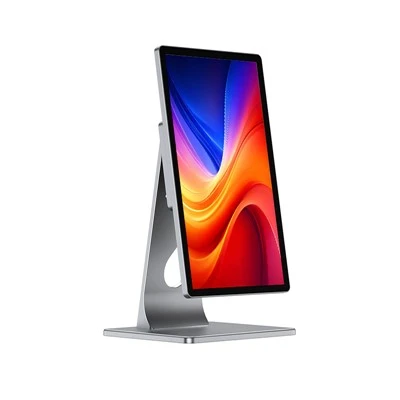
If you’re tired of a POS that limits you, and you want something that grows with you, we’d love to chat. We can walk you through how our system works, show you real client examples, and answer any questions you have. No salesy pitch, just real talk about what your business needs.
Desktop Touch Monitor References:
- Android Open Source Project. (2023). Android for Business: Scalable Device Framework. Google LLC.
- National Retail Federation. (2022). POS Expandability: Key to Small Business Growth. NRF Insights.
- PCI Security Standards Council. (2023). PCI DSS Requirements for Scalable POS Systems. PCI SSC.
- Small Business Administration. (2021). Avoiding Vendor Lock-In: POS System Best Practices. U.S. Small Business Administration.
Shenzhen Sunany Technology Limited
Shenzhen Sunany Technology Limited is one of the most professional android pos system manufacturers and suppliers in China, featured by quality products and good price. Welcome to wholesale bulk advanced android pos system made in China here and get pricelist from our factory. Contact us for customized service and OEM service.
Address: 7F, Building 2, Pingji Avenue No.13, Longgang, Shenzhen, China.
E-mail: info@sunany.com
WebSite: https://www.sunanypos.com/
