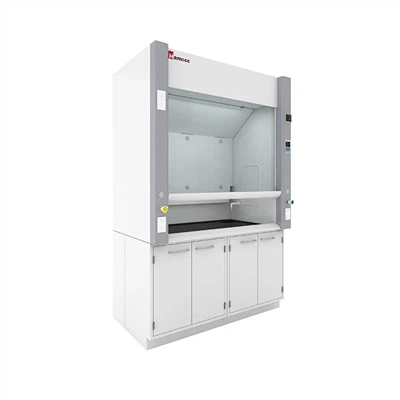
A fume hood is a critical piece of equipment in laboratories, chemical plants, and other workplaces where hazardous fumes, vapors, and dust are generated. It serves as a primary safety barrier, protecting users from exposure to harmful substances and ensuring a safe working environment. However, like any other mechanical system, fume hoods can malfunction. In this blog, as a fume hoods supplier, I’ll share some insights on what to do if a fume hood malfunctions. Fume Hoods
Immediate Actions When a Malfunction Occurs
Stop Work and Evacuate
The moment you notice a fume hood malfunction, the first and most crucial step is to stop all operations immediately. If any hazardous materials are being handled inside the fume hood, cease the process right away. Evacuate the area around the malfunctioning fume hood, ensuring that all personnel are at a safe distance. This helps prevent potential exposure to toxic fumes or other hazards that could be released due to the malfunction.
For instance, if you’re conducting a chemical experiment and the fume hood’s airflow suddenly stops or becomes erratic, stop adding reagents and turn off any heating or agitation equipment. Alert your colleagues in the vicinity and evacuate the immediate area.
Identify the Problem
Once you’ve evacuated the area, it’s time to try and identify the nature of the malfunction. There are several common issues that can occur with fume hoods:
- Airflow Problems: Insufficient or uneven airflow can be a major issue. You can check the airflow indicator on the fume hood. If it shows a significantly low or no airflow, it could be due to a blocked exhaust duct, a malfunctioning fan, or a problem with the air handling unit.
- Sash Malfunction: The sash, which is the movable window of the fume hood, may not open or close properly. This could be due to a mechanical problem with the sash mechanism or a misaligned track.
- Lighting Issues: If the lights inside the fume hood are not working, it could be a simple problem like a burnt – out bulb or a more complex electrical issue.
- Noise or Vibration: Unusual noise or excessive vibration from the fume hood can indicate a problem with the fan, motor, or other moving parts.
Isolate the Fume Hood
If possible, isolate the malfunctioning fume hood to prevent the spread of any potential hazards. This can be done by closing any connected valves or air ducts, if applicable. For example, if there are isolation dampers in the exhaust system, close them to prevent fumes from spreading to other parts of the ventilation network.
Contacting the Supplier or Technician
Notify Your Fume Hood Supplier
As soon as you’ve taken the immediate safety measures and identified the problem to the best of your ability, contact your fume hood supplier. Since I’m a fume hoods supplier, I understand the importance of prompt response. Provide detailed information about the malfunction, including the symptoms you’ve observed, the time of occurrence, and any recent changes or maintenance activities related to the fume hood.
We have a team of experienced technicians who can offer guidance over the phone to help you troubleshoot the problem further. They can also determine whether the issue can be resolved remotely or if an on – site visit is necessary.
Schedule a Service Call
In many cases, a professional technician will need to visit the site to diagnose and repair the fume hood. Schedule the service call as soon as possible. Our technicians are trained to handle a wide range of fume hood malfunctions. They will bring the necessary tools and replacement parts to ensure a quick and efficient repair.
Before the technician arrives, make sure to provide them with access to the fume hood and any relevant documentation, such as the installation manual, maintenance records, and previous service reports.
Maintenance and Preventive Measures
Regular Maintenance
To minimize the risk of fume hood malfunctions, regular maintenance is essential. As a fume hoods supplier, I recommend following a comprehensive maintenance schedule. This includes:
- Filter Replacement: The filters in the fume hood play a crucial role in removing contaminants from the air. Replace the filters at the recommended intervals to ensure optimal performance.
- Inspection of Components: Regularly inspect the fan, motor, sash mechanism, and other components for signs of wear and tear. Look for loose connections, damaged parts, or any other issues that could lead to a malfunction.
- Airflow Testing: Conduct regular airflow tests to ensure that the fume hood is providing adequate ventilation. This can be done using an anemometer or other airflow measurement devices.
Employee Training
Proper training of employees who use the fume hood is also vital. Make sure that all users are aware of the correct operating procedures, safety guidelines, and how to recognize the signs of a malfunction. Encourage employees to report any issues or concerns immediately.
For example, training should cover how to open and close the sash properly, how to adjust the airflow settings, and what to do in case of an emergency.
After the Repair
Testing and Verification
Once the fume hood has been repaired, it’s important to thoroughly test it to ensure that it is functioning properly. This includes checking the airflow, sash operation, lighting, and any other features of the fume hood. Our technicians will perform a comprehensive set of tests to verify that the fume hood meets the required safety standards.
Documentation
Keep detailed records of the malfunction, the repair process, and the results of the post – repair testing. This documentation is valuable for future reference and can help in identifying any recurring issues. It also provides evidence of compliance with safety regulations.
Consider Upgrades
If the fume hood has experienced multiple malfunctions or if it is an older model, it may be worth considering an upgrade. Newer fume hood models often come with advanced features, such as better airflow control, energy – efficient designs, and improved safety features. As a fume hoods supplier, I can provide you with information about the latest models and help you choose the one that best suits your needs.
Conclusion

A fume hood malfunction can pose significant risks to the safety and health of laboratory personnel and the overall work environment. By taking immediate action, contacting the supplier promptly, and implementing regular maintenance and preventive measures, you can minimize the impact of a malfunction and ensure the continued safe operation of your fume hood.
Ducted Fume Hoods If you are experiencing problems with your fume hood or are in the market for a new fume hood, we are here to help. Our team of experts can provide you with the best solutions for your fume hood needs. Whether it’s a simple repair, a comprehensive maintenance plan, or a new fume hood installation, we have the knowledge and experience to meet your requirements. Contact us to discuss your needs and explore the possibilities of improving your workplace safety with our high – quality fume hoods.
References
- American National Standards Institute (ANSI) and American Conference of Governmental Industrial Hygienists (ACGIH). ANSI/ACGIH Standard Z9.5 – Laboratory Ventilation.
- Occupational Safety and Health Administration (OSHA). General Industry Standards.
HAMECC(Shanghai) Lab Solutions Co., Ltd.
We’re well-known as one of the leading fume hoods manufacturers and suppliers in China, featured by quality products and good price. Please rest assured to buy customized fume hoods made in China here from our factory.
Address: Building 1, No. 2222, Huancheng Road, Jiading District, Shanghai
E-mail: info@hamecc.com
WebSite: https://www.hamecc.com/
