Yo, what’s up, fellow mountain biking enthusiasts! I’m stoked to dive into the topic of what I reckon is the most comfortable MTB bike handlebar. As a supplier in the game, I’ve seen and felt it all, and I’m here to share my insights with you. MTB Bike Handlebar
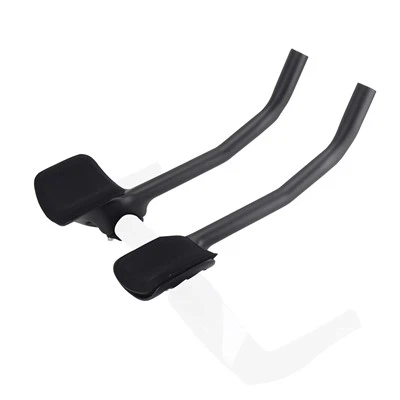
First off, let’s talk about why handlebars are such a big deal. Your handlebars are your main connection to the bike. It’s where you grip, steer, and control your ride. A comfortable handlebar can make the difference between an epic, pain – free adventure and a long, miserable day on the trails.
There are a few key factors that contribute to a handlebar’s comfort. One of the most important ones is the material. We’ve got a bunch of options out there, like aluminum, carbon fiber, and steel.
Aluminum handlebars are super popular. They’re relatively inexpensive, lightweight, and pretty durable. If you’re on a budget or just starting out with mountain biking, aluminum is a great choice. They can take a beating on the trails without breaking the bank. But they’re not the comfiest in terms of vibration absorption. The metal can transfer a lot of the bumps and vibrations from the trail right to your hands, which can get tiring after a while.
Carbon fiber handlebars, on the other hand, are like the luxury option. They’re incredibly lightweight and have excellent vibration – damping properties. When you’re riding over rough terrain, carbon fiber handlebars can soak up a lot of that shock, leaving your hands feeling fresh. They’re also really strong for their weight, but they do come with a hefty price tag. If you’re a serious rider who’s willing to invest in top – notch gear, carbon fiber might be the way to go.
Steel handlebars are less common these days, but they do have their perks. They’re extremely durable and can withstand a lot of abuse. They’re also usually a bit cheaper than carbon fiber. However, they’re heavier than both aluminum and carbon fiber, and they’re not the best at reducing vibrations.
Next up, let’s look at the shape of the handlebar. There are a few different shapes, and each has its pros and cons when it comes to comfort.
The flat handlebar is a classic. It’s simple and straight, which gives you a really direct feel for the bike. It’s great for beginners because it’s easy to control. Flat handlebars are also good for riders who like an aggressive riding position. But if you’re going on long rides or have wrist problems, the flat shape can put a lot of pressure on your wrists, which isn’t very comfortable.
Riser handlebars are like flat handlebars, but they have a bit of an upward bend. This gives you a more upright riding position, which can be a lot more comfortable for your back and neck. It also reduces the pressure on your wrists. Riser handlebars are a great choice for all – around riding, whether you’re on the trails or commuting around town.
Drop handlebars are more commonly seen on road bikes, but they’re starting to make their way into the mountain biking world. They offer multiple hand positions, which is great for long rides. You can switch up your grip to prevent fatigue. However, they take a bit of getting used to, and they’re not the best for technical mountain biking because they can make it a bit harder to control the bike in tight spots.
The width of the handlebar is another crucial factor. A wider handlebar gives you more leverage when you’re steering, which can be really helpful on technical trails. It also helps to distribute your weight more evenly across your upper body. But if it’s too wide, it can be cumbersome to navigate through narrow spots on the trail. On the flip side, a narrower handlebar is more maneuverable, but you might not have as much control or leverage.
For most riders, a handlebar width between 740mm and 780mm is a good starting point. But it really depends on your body size and riding style. If you’re a bigger rider or you like to ride aggressively, you might want to go for a wider handlebar. If you’re smaller or you do a lot of tight, technical riding, a narrower one could be better.
Now, let’s talk about the grips. Even the most comfortable handlebar won’t be great if you’ve got crappy grips. There are two main types of grips: lock – on grips and non – lock – on grips.
Lock – on grips are awesome because they stay in place. You don’t have to worry about them slipping around while you’re riding. They usually offer better ergonomics and a more secure grip. They’re a bit more expensive than non – lock – on grips, but they’re worth the investment.
Non – lock – on grips are cheaper and easier to install. They’re a good option if you’re on a budget or you just want something simple. But they can sometimes slip, especially if your hands get sweaty.
In my opinion, the most comfortable MTB bike handlebar is a combination of the right material, shape, width, and grips. For most riders, a carbon fiber riser handlebar with a width of around 760mm and some quality lock – on grips is going to be the most comfortable setup.
The carbon fiber material will absorb the vibrations, the riser shape will give you an upright and comfortable riding position, the 760mm width will provide a good balance of control and maneuverability, and the lock – on grips will keep your hands firmly in place.
But hey, everyone’s different. What’s comfortable for me might not be comfortable for you. That’s why it’s important to try out different handlebars and see what works best for you.
If you’re interested in checking out our range of MTB bike handlebars, we’ve got a wide selection of different materials, shapes, and widths to choose from. Whether you’re a beginner or a pro, we’ve got something that will suit your needs and budget.

If you’re thinking about making a purchase or just want to chat more about handlebars and what would be best for you, don’t hesitate to reach out. We’re always here to help and have a great conversation about all things mountain biking. Just get in touch, and we can start the ball rolling on finding the perfect handlebar for your next adventure.
Bike Seatpost References
- "Bicycling Science" by David Gordon Wilson
- "Mountain Biking Skills Manual" by Mountain Bike Action Magazine
Hunan Yecheng Technology Co., Ltd.
We’re well-known as one of the leading mtb bike handlebar manufacturers and suppliers in China, also support customized service. Please feel free to buy high quality mtb bike handlebar for sale here from our factory. For more information, contact us now.
Address: Changsha, Hunan Province, China.
E-mail: info@rxlsl.com
WebSite: https://www.rxlsl.com/
